•  
Air Japan's final flight

Air Japan's final flight

Photo taken at Narita airport near Tokyo on March 28, 2026, shows a plane of Air Japan, a medium-priced international flight brand launched by ANA Holdings Inc. in February 2024 that has financially underperformed. The brand's final flight bound for Bangkok departed the airport the same day, after carrying about 960,000 people in two years.

  •  
CHINA-HENAN-KAIFENG-ANCIENT CITY GATE-NEW FINDING (CN)

CHINA-HENAN-KAIFENG-ANCIENT CITY GATE-NEW FINDING (CN)

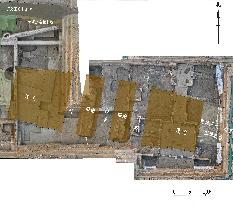
(240712) -- KAIFENG, July 12, 2024 Photo by Xinhua/ABACAPRESS.COM) -- This undated file photo shows a schematic map of the ruins of Jinglong Gate from the Northern Song Dynasty in Kaifeng, central China's Henan Province. Chinese archaeologists have unearthed the ruins of an inner city gate of the capital of the Northern Song Dynasty (960-1126). This discovery marks the largest and highest-scale city gate ruins from the Northern Song period found so far. Jinglong Gate, the only inner city gate of the ancient capital discovered to date, is about 60 meters wide with the gateway extending 19.3 meters. (Kaifeng Cultural Relics and Archaeology Institute/Handout via Xinhua/ABACAPRESS.COM

  •  
CHINA-HENAN-KAIFENG-ANCIENT CITY GATE-NEW FINDING (CN)

CHINA-HENAN-KAIFENG-ANCIENT CITY GATE-NEW FINDING (CN)

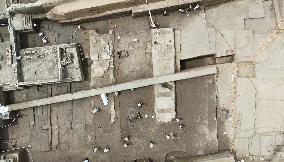
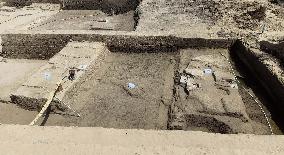
(240712) -- KAIFENG, July 12, 2024 Photo by Xinhua/ABACAPRESS.COM) -- An aerial drone photo taken on June 18, 2024 shows the excavation site of the ruins of Jinglong Gate from the Northern Song Dynasty in Kaifeng, central China's Henan Province. Chinese archaeologists have unearthed the ruins of an inner city gate of the capital of the Northern Song Dynasty (960-1126). This discovery marks the largest and highest-scale city gate ruins from the Northern Song period found so far. Jinglong Gate, the only inner city gate of the ancient capital discovered to date, is about 60 meters wide with the gateway extending 19.3 meters. Photo by Xinhua/ABACAPRESS.COM/Yuan Yueming)

  •  
CHINA-HENAN-KAIFENG-ANCIENT CITY GATE-NEW FINDING (CN)

CHINA-HENAN-KAIFENG-ANCIENT CITY GATE-NEW FINDING (CN)

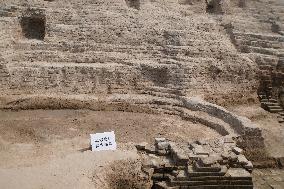
(240712) -- KAIFENG, July 12, 2024 Photo by Xinhua/ABACAPRESS.COM) -- This photo taken on June 18, 2024 shows the ruins of an ancient building near the ruins of Jinglong Gate from the Northern Song Dynasty in Kaifeng, central China's Henan Province. Chinese archaeologists have unearthed the ruins of an inner city gate of the capital of the Northern Song Dynasty (960-1126). This discovery marks the largest and highest-scale city gate ruins from the Northern Song period found so far. Jinglong Gate, the only inner city gate of the ancient capital discovered to date, is about 60 meters wide with the gateway extending 19.3 meters. Photo by Xinhua/ABACAPRESS.COM/Yuan Yueming)

  •  
CHINA-HENAN-KAIFENG-ANCIENT CITY GATE-NEW FINDING (CN)

CHINA-HENAN-KAIFENG-ANCIENT CITY GATE-NEW FINDING (CN)

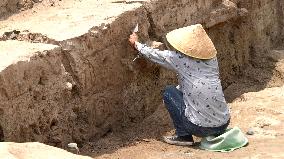
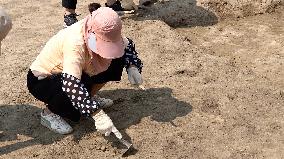
(240712) -- KAIFENG, July 12, 2024 Photo by Xinhua/ABACAPRESS.COM) -- An archaeologist works at the excavation site of the ruins of Jinglong Gate from the Northern Song Dynasty in Kaifeng, central China's Henan Province, June 18, 2024. Chinese archaeologists have unearthed the ruins of an inner city gate of the capital of the Northern Song Dynasty (960-1126). This discovery marks the largest and highest-scale city gate ruins from the Northern Song period found so far. Jinglong Gate, the only inner city gate of the ancient capital discovered to date, is about 60 meters wide with the gateway extending 19.3 meters. Photo by Xinhua/ABACAPRESS.COM/Yuan Yueming)

  •  
CHINA-HENAN-KAIFENG-ANCIENT CITY GATE-NEW FINDING (CN)

CHINA-HENAN-KAIFENG-ANCIENT CITY GATE-NEW FINDING (CN)

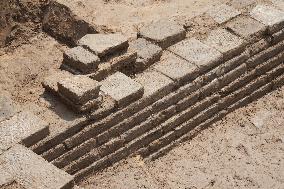
(240712) -- KAIFENG, July 12, 2024 Photo by Xinhua/ABACAPRESS.COM) -- This photo taken on June 18, 2024 shows a view of the ruins of Jinglong Gate from the Northern Song Dynasty in Kaifeng, central China's Henan Province. Chinese archaeologists have unearthed the ruins of an inner city gate of the capital of the Northern Song Dynasty (960-1126). This discovery marks the largest and highest-scale city gate ruins from the Northern Song period found so far. Jinglong Gate, the only inner city gate of the ancient capital discovered to date, is about 60 meters wide with the gateway extending 19.3 meters. Photo by Xinhua/ABACAPRESS.COM/Yuan Yueming)

  •  
CHINA-HENAN-KAIFENG-ANCIENT CITY GATE-NEW FINDING (CN)

CHINA-HENAN-KAIFENG-ANCIENT CITY GATE-NEW FINDING (CN)

(240712) -- KAIFENG, July 12, 2024 Photo by Xinhua/ABACAPRESS.COM) -- This undated file photo shows a view of the ruins of Jinglong Gate from the Northern Song Dynasty in Kaifeng, central China's Henan Province. Chinese archaeologists have unearthed the ruins of an inner city gate of the capital of the Northern Song Dynasty (960-1126). This discovery marks the largest and highest-scale city gate ruins from the Northern Song period found so far. Jinglong Gate, the only inner city gate of the ancient capital discovered to date, is about 60 meters wide with the gateway extending 19.3 meters. (Kaifeng Cultural Relics and Archaeology Institute/Handout via Xinhua/ABACAPRESS.COM

  •  
CHINA-HENAN-KAIFENG-ANCIENT CITY GATE-NEW FINDING (CN)

CHINA-HENAN-KAIFENG-ANCIENT CITY GATE-NEW FINDING (CN)

(240712) -- KAIFENG, July 12, 2024 Photo by Xinhua/ABACAPRESS.COM) -- An archaeologist works at the excavation site of the ruins of Jinglong Gate from the Northern Song Dynasty in Kaifeng, central China's Henan Province, June 18, 2024. Chinese archaeologists have unearthed the ruins of an inner city gate of the capital of the Northern Song Dynasty (960-1126). This discovery marks the largest and highest-scale city gate ruins from the Northern Song period found so far. Jinglong Gate, the only inner city gate of the ancient capital discovered to date, is about 60 meters wide with the gateway extending 19.3 meters. Photo by Xinhua/ABACAPRESS.COM/Yuan Yueming)

  •  
CHINA-SICHUAN-CHENGDU-HISTORICAL RELICS PARK (CN)

CHINA-SICHUAN-CHENGDU-HISTORICAL RELICS PARK (CN)

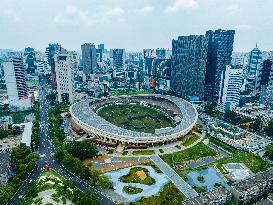
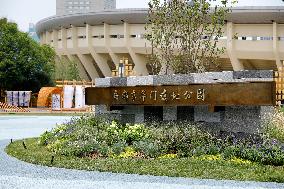
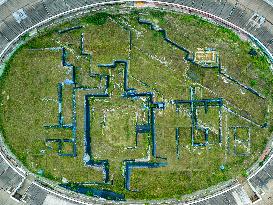
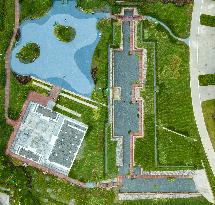
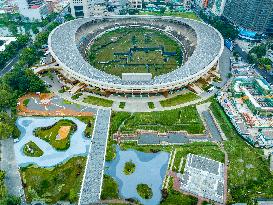
(230720) -- CHENGDU, July 20, 2023 (Xinhua) -- This aerial photo taken on July 20, 2023 shows an outdoor historical relics park in Chengdu, capital of southwest China's Sichuan Province. An outdoor historical relics park opened a new area to public on Thursday in Chengdu. The relics park is located in the core area of the old city of Chengdu. Since 2013, archaeologists have discovered a large area of ancient city remains from Donghuamen Street to Chengdu Sports Center in Qingyang District of Chengdu, with an excavated area of about 49,000 square meters, mainly including relics of Warring States Period (475-221 BC), Qin (221-207 BC) and Han (202 BC-220 AD) dynasties, Sui and Tang Dynasties (581-907), Song Dynasty (960-1279) and Ming Dynasty (1368-1644). (Xinhua/Shen Bohan)

  •  
CHINA-SICHUAN-CHENGDU-HISTORICAL RELICS PARK (CN)

CHINA-SICHUAN-CHENGDU-HISTORICAL RELICS PARK (CN)

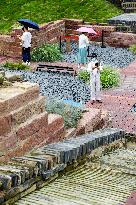
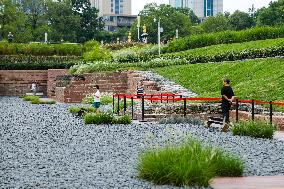
(230720) -- CHENGDU, July 20, 2023 (Xinhua) -- People visit a canal stepped footpath ruins of the Ming Dynasty (1368-1644) in an outdoor historical relics park in Chengdu, capital of southwest China's Sichuan Province, July 20, 2023. An outdoor historical relics park opened a new area to public on Thursday in Chengdu. The relics park is located in the core area of the old city of Chengdu. Since 2013, archaeologists have discovered a large area of ancient city remains from Donghuamen Street to Chengdu Sports Center in Qingyang District of Chengdu, with an excavated area of about 49,000 square meters, mainly including relics of Warring States Period (475-221 BC), Qin (221-207 BC) and Han (202 BC-220 AD) dynasties, Sui and Tang Dynasties (581-907), Song Dynasty (960-1279) and Ming Dynasty (1368-1644). (Xinhua/Shen Bohan)

  •  
CHINA-SICHUAN-CHENGDU-HISTORICAL RELICS PARK (CN)

CHINA-SICHUAN-CHENGDU-HISTORICAL RELICS PARK (CN)

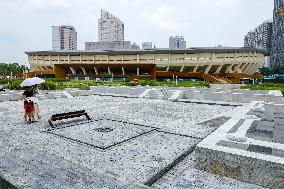
(230720) -- CHENGDU, July 20, 2023 (Xinhua) -- This photo taken on July 20, 2023 shows an outdoor historical relics park in Chengdu, capital of southwest China's Sichuan Province. An outdoor historical relics park opened a new area to public on Thursday in Chengdu. The relics park is located in the core area of the old city of Chengdu. Since 2013, archaeologists have discovered a large area of ancient city remains from Donghuamen Street to Chengdu Sports Center in Qingyang District of Chengdu, with an excavated area of about 49,000 square meters, mainly including relics of Warring States Period (475-221 BC), Qin (221-207 BC) and Han (202 BC-220 AD) dynasties, Sui and Tang Dynasties (581-907), Song Dynasty (960-1279) and Ming Dynasty (1368-1644). (Xinhua/Shen Bohan)

  •  
CHINA-SICHUAN-CHENGDU-HISTORICAL RELICS PARK (CN)

CHINA-SICHUAN-CHENGDU-HISTORICAL RELICS PARK (CN)

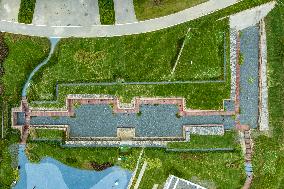
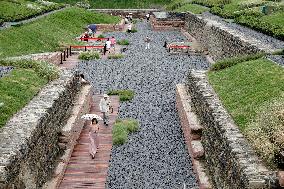
(230720) -- CHENGDU, July 20, 2023 (Xinhua) -- This aerial photo taken on July 20, 2023 shows a canal ruins of the Ming Dynasty (1368-1644) in an outdoor historical relics park in Chengdu, capital of southwest China's Sichuan Province. An outdoor historical relics park opened a new area to public on Thursday in Chengdu. The relics park is located in the core area of the old city of Chengdu. Since 2013, archaeologists have discovered a large area of ancient city remains from Donghuamen Street to Chengdu Sports Center in Qingyang District of Chengdu, with an excavated area of about 49,000 square meters, mainly including relics of Warring States Period (475-221 BC), Qin (221-207 BC) and Han (202 BC-220 AD) dynasties, Sui and Tang Dynasties (581-907), Song Dynasty (960-1279) and Ming Dynasty (1368-1644). (Xinhua/Shen Bohan)

  •  
CHINA-SICHUAN-CHENGDU-HISTORICAL RELICS PARK (CN)

CHINA-SICHUAN-CHENGDU-HISTORICAL RELICS PARK (CN)

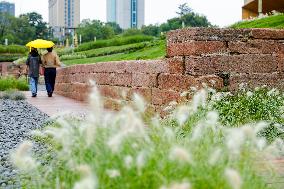
(230720) -- CHENGDU, July 20, 2023 (Xinhua) -- People visit a canal ruins of the Ming Dynasty (1368-1644) in an outdoor historical relics park in Chengdu, capital of southwest China's Sichuan Province, July 20, 2023. An outdoor historical relics park opened a new area to public on Thursday in Chengdu. The relics park is located in the core area of the old city of Chengdu. Since 2013, archaeologists have discovered a large area of ancient city remains from Donghuamen Street to Chengdu Sports Center in Qingyang District of Chengdu, with an excavated area of about 49,000 square meters, mainly including relics of Warring States Period (475-221 BC), Qin (221-207 BC) and Han (202 BC-220 AD) dynasties, Sui and Tang Dynasties (581-907), Song Dynasty (960-1279) and Ming Dynasty (1368-1644). (Xinhua/Shen Bohan)

  •  
CHINA-SICHUAN-CHENGDU-HISTORICAL RELICS PARK (CN)

CHINA-SICHUAN-CHENGDU-HISTORICAL RELICS PARK (CN)

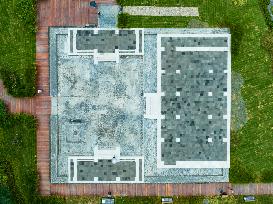
(230720) -- CHENGDU, July 20, 2023 (Xinhua) -- This aerial photo taken on July 20, 2023 shows a simulated yard relic of the Tang Dynasty (618-907) in an outdoor historical relics park in Chengdu, capital of southwest China's Sichuan Province. An outdoor historical relics park opened a new area to public on Thursday in Chengdu. The relics park is located in the core area of the old city of Chengdu. Since 2013, archaeologists have discovered a large area of ancient city remains from Donghuamen Street to Chengdu Sports Center in Qingyang District of Chengdu, with an excavated area of about 49,000 square meters, mainly including relics of Warring States Period (475-221 BC), Qin (221-207 BC) and Han (202 BC-220 AD) dynasties, Sui and Tang Dynasties (581-907), Song Dynasty (960-1279) and Ming Dynasty (1368-1644). (Xinhua/Shen Bohan)

  •  
CHINA-SICHUAN-CHENGDU-HISTORICAL RELICS PARK (CN)

CHINA-SICHUAN-CHENGDU-HISTORICAL RELICS PARK (CN)

(230720) -- CHENGDU, July 20, 2023 (Xinhua) -- This aerial photo taken on July 20, 2023 shows an outdoor historical relics park in Chengdu, capital of southwest China's Sichuan Province. An outdoor historical relics park opened a new area to public on Thursday in Chengdu. The relics park is located in the core area of the old city of Chengdu. Since 2013, archaeologists have discovered a large area of ancient city remains from Donghuamen Street to Chengdu Sports Center in Qingyang District of Chengdu, with an excavated area of about 49,000 square meters, mainly including relics of Warring States Period (475-221 BC), Qin (221-207 BC) and Han (202 BC-220 AD) dynasties, Sui and Tang Dynasties (581-907), Song Dynasty (960-1279) and Ming Dynasty (1368-1644). (Xinhua/Shen Bohan)

  •  
CHINA-SICHUAN-CHENGDU-HISTORICAL RELICS PARK (CN)

CHINA-SICHUAN-CHENGDU-HISTORICAL RELICS PARK (CN)

(230720) -- CHENGDU, July 20, 2023 (Xinhua) -- People visit a canal ruins of the Ming Dynasty (1368-1644) in an outdoor historical relics park in Chengdu, capital of southwest China's Sichuan Province, July 20, 2023. An outdoor historical relics park opened a new area to public on Thursday in Chengdu. The relics park is located in the core area of the old city of Chengdu. Since 2013, archaeologists have discovered a large area of ancient city remains from Donghuamen Street to Chengdu Sports Center in Qingyang District of Chengdu, with an excavated area of about 49,000 square meters, mainly including relics of Warring States Period (475-221 BC), Qin (221-207 BC) and Han (202 BC-220 AD) dynasties, Sui and Tang Dynasties (581-907), Song Dynasty (960-1279) and Ming Dynasty (1368-1644). (Xinhua/Shen Bohan)

  •  
CHINA-SICHUAN-CHENGDU-HISTORICAL RELICS PARK (CN)

CHINA-SICHUAN-CHENGDU-HISTORICAL RELICS PARK (CN)

(230720) -- CHENGDU, July 20, 2023 (Xinhua) -- People visit a simulated yard relic of the Tang Dynasty (618-907) in an outdoor historical relics park in Chengdu, capital of southwest China's Sichuan Province, July 20, 2023. An outdoor historical relics park opened a new area to public on Thursday in Chengdu. The relics park is located in the core area of the old city of Chengdu. Since 2013, archaeologists have discovered a large area of ancient city remains from Donghuamen Street to Chengdu Sports Center in Qingyang District of Chengdu, with an excavated area of about 49,000 square meters, mainly including relics of Warring States Period (475-221 BC), Qin (221-207 BC) and Han (202 BC-220 AD) dynasties, Sui and Tang Dynasties (581-907), Song Dynasty (960-1279) and Ming Dynasty (1368-1644). (Xinhua/Shen Bohan)

  •  
CHINA-SICHUAN-CHENGDU-HISTORICAL RELICS PARK (CN)

CHINA-SICHUAN-CHENGDU-HISTORICAL RELICS PARK (CN)

(230720) -- CHENGDU, July 20, 2023 (Xinhua) -- This aerial photo taken on July 20, 2023 shows a canal ruins of the Ming Dynasty (1368-1644) (R) and simulated relics of the Sui and Tang Dynasties (581-907) (L) in an outdoor historical relics park in Chengdu, capital of southwest China's Sichuan Province. An outdoor historical relics park opened a new area to public on Thursday in Chengdu. The relics park is located in the core area of the old city of Chengdu. Since 2013, archaeologists have discovered a large area of ancient city remains from Donghuamen Street to Chengdu Sports Center in Qingyang District of Chengdu, with an excavated area of about 49,000 square meters, mainly including relics of Warring States Period (475-221 BC), Qin (221-207 BC) and Han (202 BC-220 AD) dynasties, Sui and Tang Dynasties (581-907), Song Dynasty (960-1279) and Ming Dynasty (1368-1644). (Xinhua/Shen Bohan)

  •  
CHINA-SICHUAN-CHENGDU-HISTORICAL RELICS PARK (CN)

CHINA-SICHUAN-CHENGDU-HISTORICAL RELICS PARK (CN)

(230720) -- CHENGDU, July 20, 2023 (Xinhua) -- People visit a canal ruins of the Ming Dynasty (1368-1644) in an outdoor historical relics park in Chengdu, capital of southwest China's Sichuan Province, July 20, 2023. An outdoor historical relics park opened a new area to public on Thursday in Chengdu. The relics park is located in the core area of the old city of Chengdu. Since 2013, archaeologists have discovered a large area of ancient city remains from Donghuamen Street to Chengdu Sports Center in Qingyang District of Chengdu, with an excavated area of about 49,000 square meters, mainly including relics of Warring States Period (475-221 BC), Qin (221-207 BC) and Han (202 BC-220 AD) dynasties, Sui and Tang Dynasties (581-907), Song Dynasty (960-1279) and Ming Dynasty (1368-1644). (Xinhua/Shen Bohan)

  •  
CHINA-SICHUAN-CHENGDU-HISTORICAL RELICS PARK (CN)

CHINA-SICHUAN-CHENGDU-HISTORICAL RELICS PARK (CN)

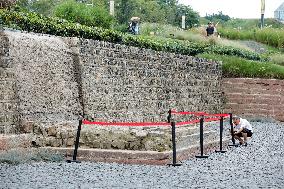
(230720) -- CHENGDU, July 20, 2023 (Xinhua) -- A visitor takes photos of a canal ruins of the Ming Dynasty (1368-1644) in an outdoor historical relics park in Chengdu, capital of southwest China's Sichuan Province, July 20, 2023. An outdoor historical relics park opened a new area to public on Thursday in Chengdu. The relics park is located in the core area of the old city of Chengdu. Since 2013, archaeologists have discovered a large area of ancient city remains from Donghuamen Street to Chengdu Sports Center in Qingyang District of Chengdu, with an excavated area of about 49,000 square meters, mainly including relics of Warring States Period (475-221 BC), Qin (221-207 BC) and Han (202 BC-220 AD) dynasties, Sui and Tang Dynasties (581-907), Song Dynasty (960-1279) and Ming Dynasty (1368-1644). (Xinhua/Shen Bohan)

  •  
CHINA-SICHUAN-CHENGDU-HISTORICAL RELICS PARK (CN)

CHINA-SICHUAN-CHENGDU-HISTORICAL RELICS PARK (CN)

(230720) -- CHENGDU, July 20, 2023 (Xinhua) -- This aerial photo taken on July 20, 2023 shows an outdoor historical relics park in Chengdu, capital of southwest China's Sichuan Province. An outdoor historical relics park opened a new area to public on Thursday in Chengdu. The relics park is located in the core area of the old city of Chengdu. Since 2013, archaeologists have discovered a large area of ancient city remains from Donghuamen Street to Chengdu Sports Center in Qingyang District of Chengdu, with an excavated area of about 49,000 square meters, mainly including relics of Warring States Period (475-221 BC), Qin (221-207 BC) and Han (202 BC-220 AD) dynasties, Sui and Tang Dynasties (581-907), Song Dynasty (960-1279) and Ming Dynasty (1368-1644). (Xinhua/Shen Bohan)

  •  

"Green oxygen bars" help workers of Qinghai-Tibet Railway adjust to harsh environment

STORY: "Green oxygen bars" help workers of Qinghai-Tibet Railway adjust to harsh environment DATELINE: Sept. 15, 2022 LENGTH: 0:01:10 LOCATION: XINING, China CATEGORY: SOCIETY SHOTLIST: 1. various of the Qinghai-Tibet Railway 2. various of the "green oxygen bar" built along the railway 3. SOUNDBITE (Chinese): LI LAIQIANG, Worker of Golmud branch of China Railway Qinghai-Tibet Group Co., Ltd. STORYLINE: The Qinghai-Tibet Railway in western China is the world's longest plateau railway. A total of 960 kilometers of the railway are over 4,000 meters above sea level, and 550 kilometers are in areas of frozen earth. The oxygen content of the air here is significantly lower than that in plains, and the average annual temperature is below 0 degrees Celsius along the railway. In order to improve the living conditions of workers, railway authorities built a number of "green oxygen bars" along the route. Oxygen-emitting plants were transplanted, and the average temperature in the "oxygen bars" is kept at about 26

  •  

High oil prices put Tunisia under huge financial pressure: minister

STORY: High oil prices put Tunisia under huge financial pressure: minister DATELINE: Aug. 4, 2022 LENGTH: 00:00:47 LOCATION: Tunis CATEGORY: ECONOMY SHOTLIST: 1. various of gas station in Tunis STORYLINE: Tunisian Minister of Industry, Mines and Energy Naila Nouira Kanji said on Tuesday that high oil prices have brought huge financial pressure on the Tunisian government. The minister said that the Tunisian government has formulated a budget for 2022 with an international oil price of 75 U.S. dollars per barrel, and planned to provide energy subsidies of 2.9 billion Tunisian dinars (about 960 million U.S. dollars) for its citizens. However, the current international oil price remains high and the subsidy will exceed 8 billion dinars (about 2.96 billion U.S. dollars), which greatly exceeds the budgeted amount and the government cannot afford it. She added that the government will guarantee energy subsidies for low-income people, and speed up the development of public transport while raising refined oil pr

  •  

Xi inspects southwestern Chinese city of Meishan

STORY: Xi inspects southwestern Chinese city of Meishan DATELINE: June 9, 2022 LENGTH: 0:01:40 LOCATION: CHENGDU, China CATEGORY: POLITICS SHOTLIST: 1 various of views in Meishan City 2 various of pics of Xi Jinping during an inspection tour 3 various of paddy fields in Yongfeng Village 4 SOUNDBITE 1 (Chinese): LI XUEPING, Party Secretary of Yongfeng Village, Meishan City 5 SOUNDBITE 2 (Chinese): MA JUN, Professor, Rice Research Institute of Sichuan Agricultural University 6 SOUNDBITE 3 (Chinese): LIU CHAO, First Secretary of Yongfeng Village, Meishan City STORYLINE: Xi Jinping, general secretary of the Communist Party of China Central Committee, on Wednesday inspected the city of Meishan, southwest China's Sichuan Province. In the morning, he visited the village of Yongfeng and San Su Ci, the memorial temple and former residence of Su Xun and his two sons Su Shi and Su Zhe, three literary masters of the Northern Song Dynasty (960-1127). Xi learnt about local efforts in advancing high-standard farmland d

  •  
CHINA-SICHUAN-MEISHAN-XI JINPING-INSPECTION (CN)

CHINA-SICHUAN-MEISHAN-XI JINPING-INSPECTION (CN)

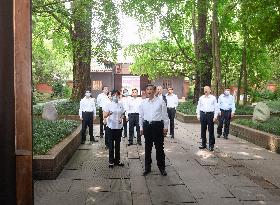
(220608) -- MEISHAN, June 8, 2022 (Xinhua) -- Chinese President Xi Jinping, also general secretary of the Communist Party of China Central Committee and chairman of the Central Military Commission, visits San Su Ci, the memorial temple and former residence of Su Xun and his two sons Su Shi and Su Zhe, three literary masters of the Northern Song Dynasty (960-1127), to learn about local efforts in protecting historical and cultural heritage, in Meishan, southwest China's Sichuan Province, June 8, 2022. Xi on Wednesday inspected the city of Meishan. (Xinhua/Li Xueren)

  •  
CHINA-SICHUAN-MEISHAN-XI JINPING-INSPECTION (CN)

CHINA-SICHUAN-MEISHAN-XI JINPING-INSPECTION (CN)

(220608) -- MEISHAN, June 8, 2022 (Xinhua) -- Chinese President Xi Jinping, also general secretary of the Communist Party of China Central Committee and chairman of the Central Military Commission, visits San Su Ci, the memorial temple and former residence of Su Xun and his two sons Su Shi and Su Zhe, three literary masters of the Northern Song Dynasty (960-1127), to learn about local efforts in protecting historical and cultural heritage, in Meishan, southwest China's Sichuan Province, June 8, 2022. Xi on Wednesday inspected the city of Meishan. (Xinhua/Shen Hong)

  •  
(SichuanMosaics) CHINA-SICHUAN-ANYUE-STONE CARVING (CN)

(SichuanMosaics) CHINA-SICHUAN-ANYUE-STONE CARVING (CN)

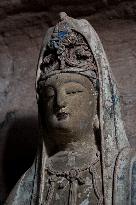
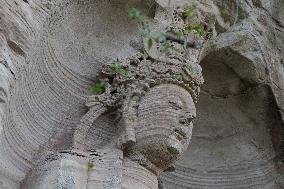
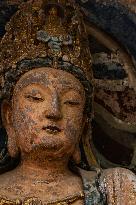
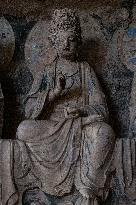
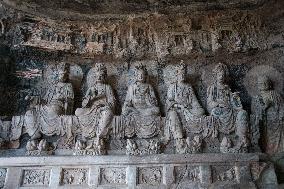
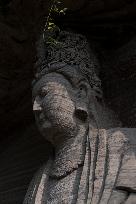
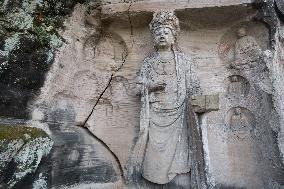
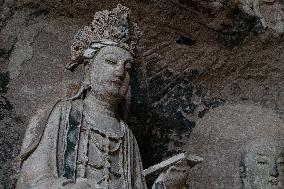
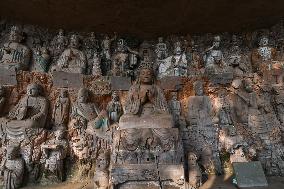
(220113) -- ANYUE, Jan. 13, 2022 (Xinhua) -- Photo taken on Dec. 22, 2021 shows the stone statue of the Song Dynasty (960-1279) in Anyue County, southwest China's Sichuan Province. Anyue County in southwest China's Sichuan Province is famous for its stone carvings. Anyue stone carving dates back to as early as the Eastern Han Dynasty (25-220). Through the Tang (618-907) and Song Dynasty (960-1279), Anyue carving developed to its peak with the features of abundant, exquisite and magnificent. Now there are more than 100,000 stone statues preserved at about 230 sites in Anyue. Scattering in the mountains, Anyue carving was little known to the public for a long period of time. Nowadays, with the support of policies and funds, Anyue carving is revealed to the world. (Xinhua/Tang Wenhao)

  •  
(SichuanMosaics) CHINA-SICHUAN-ANYUE-STONE CARVING (CN)

(SichuanMosaics) CHINA-SICHUAN-ANYUE-STONE CARVING (CN)

(220113) -- ANYUE, Jan. 13, 2022 (Xinhua) -- Photo taken on Dec. 22, 2021 shows the stone statue of the Song Dynasty (960-1279) in Anyue County, southwest China's Sichuan Province. Anyue County in southwest China's Sichuan Province is famous for its stone carvings. Anyue stone carving dates back to as early as the Eastern Han Dynasty (25-220). Through the Tang (618-907) and Song Dynasty (960-1279), Anyue carving developed to its peak with the features of abundant, exquisite and magnificent. Now there are more than 100,000 stone statues preserved at about 230 sites in Anyue. Scattering in the mountains, Anyue carving was little known to the public for a long period of time. Nowadays, with the support of policies and funds, Anyue carving is revealed to the world. (Xinhua/Tang Wenhao)

  •  
(SichuanMosaics) CHINA-SICHUAN-ANYUE-STONE CARVING (CN)

(SichuanMosaics) CHINA-SICHUAN-ANYUE-STONE CARVING (CN)

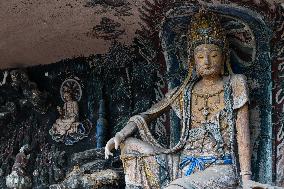
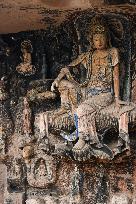
(220113) -- ANYUE, Jan. 13, 2022 (Xinhua) -- Photo taken on Dec. 22, 2021 shows the stone statue of Water-Moon Avalokitesvara (shuiyue guanyin) from the Northern Song Dynasty (960-1127) in Anyue County, southwest China's Sichuan Province. Anyue County in southwest China's Sichuan Province is famous for its stone carvings. Anyue stone carving dates back to as early as the Eastern Han Dynasty (25-220). Through the Tang (618-907) and Song Dynasty (960-1279), Anyue carving developed to its peak with the features of abundant, exquisite and magnificent. Now there are more than 100,000 stone statues preserved at about 230 sites in Anyue. Scattering in the mountains, Anyue carving was little known to the public for a long period of time. Nowadays, with the support of policies and funds, Anyue carving is revealed to the world. (Xinhua/Tang Wenhao)

  •  
(SichuanMosaics) CHINA-SICHUAN-ANYUE-STONE CARVING (CN)

(SichuanMosaics) CHINA-SICHUAN-ANYUE-STONE CARVING (CN)

(220113) -- ANYUE, Jan. 13, 2022 (Xinhua) -- Photo taken on Dec. 22, 2021 shows the stone statue of Water-Moon Avalokitesvara (shuiyue guanyin) from the Northern Song Dynasty (960-1127) in Anyue County, southwest China's Sichuan Province. Anyue County in southwest China's Sichuan Province is famous for its stone carvings. Anyue stone carving dates back to as early as the Eastern Han Dynasty (25-220). Through the Tang (618-907) and Song Dynasty (960-1279), Anyue carving developed to its peak with the features of abundant, exquisite and magnificent. Now there are more than 100,000 stone statues preserved at about 230 sites in Anyue. Scattering in the mountains, Anyue carving was little known to the public for a long period of time. Nowadays, with the support of policies and funds, Anyue carving is revealed to the world. (Xinhua/Tang Wenhao)

  •  
(SichuanMosaics) CHINA-SICHUAN-ANYUE-STONE CARVING (CN)

(SichuanMosaics) CHINA-SICHUAN-ANYUE-STONE CARVING (CN)

(220113) -- ANYUE, Jan. 13, 2022 (Xinhua) -- Photo taken on Dec. 22, 2021 shows the stone statue of Water-Moon Avalokitesvara (shuiyue guanyin) from the Northern Song Dynasty (960-1127) in Anyue County, southwest China's Sichuan Province. Anyue County in southwest China's Sichuan Province is famous for its stone carvings. Anyue stone carving dates back to as early as the Eastern Han Dynasty (25-220). Through the Tang (618-907) and Song Dynasty (960-1279), Anyue carving developed to its peak with the features of abundant, exquisite and magnificent. Now there are more than 100,000 stone statues preserved at about 230 sites in Anyue. Scattering in the mountains, Anyue carving was little known to the public for a long period of time. Nowadays, with the support of policies and funds, Anyue carving is revealed to the world. (Xinhua/Tang Wenhao)

  •  
(SichuanMosaics) CHINA-SICHUAN-ANYUE-STONE CARVING (CN)

(SichuanMosaics) CHINA-SICHUAN-ANYUE-STONE CARVING (CN)

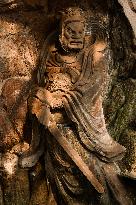
(220113) -- ANYUE, Jan. 13, 2022 (Xinhua) -- Photo taken on Dec. 22, 2021 shows the stone statue of the Northern Song Dynasty (960-1127) in Anyue County, southwest China's Sichuan Province. Anyue County in southwest China's Sichuan Province is famous for its stone carvings. Anyue stone carving dates back to as early as the Eastern Han Dynasty (25-220). Through the Tang (618-907) and Song Dynasty (960-1279), Anyue carving developed to its peak with the features of abundant, exquisite and magnificent. Now there are more than 100,000 stone statues preserved at about 230 sites in Anyue. Scattering in the mountains, Anyue carving was little known to the public for a long period of time. Nowadays, with the support of policies and funds, Anyue carving is revealed to the world. (Xinhua/Tang Wenhao)

  •  
(SichuanMosaics) CHINA-SICHUAN-ANYUE-STONE CARVING (CN)

(SichuanMosaics) CHINA-SICHUAN-ANYUE-STONE CARVING (CN)

(220113) -- ANYUE, Jan. 13, 2022 (Xinhua) -- Photo taken on Dec. 22, 2021 shows the stone statue of the Song Dynasty (960-1279) in Anyue County, southwest China's Sichuan Province. Anyue County in southwest China's Sichuan Province is famous for its stone carvings. Anyue stone carving dates back to as early as the Eastern Han Dynasty (25-220). Through the Tang (618-907) and Song Dynasty (960-1279), Anyue carving developed to its peak with the features of abundant, exquisite and magnificent. Now there are more than 100,000 stone statues preserved at about 230 sites in Anyue. Scattering in the mountains, Anyue carving was little known to the public for a long period of time. Nowadays, with the support of policies and funds, Anyue carving is revealed to the world. (Xinhua/Tang Wenhao)

  •  
(SichuanMosaics) CHINA-SICHUAN-ANYUE-STONE CARVING (CN)

(SichuanMosaics) CHINA-SICHUAN-ANYUE-STONE CARVING (CN)

(220113) -- ANYUE, Jan. 13, 2022 (Xinhua) -- Photo taken on Dec. 22, 2021 shows the stone statue of the Song Dynasty (960-1279) in Anyue County, southwest China's Sichuan Province. Anyue County in southwest China's Sichuan Province is famous for its stone carvings. Anyue stone carving dates back to as early as the Eastern Han Dynasty (25-220). Through the Tang (618-907) and Song Dynasty (960-1279), Anyue carving developed to its peak with the features of abundant, exquisite and magnificent. Now there are more than 100,000 stone statues preserved at about 230 sites in Anyue. Scattering in the mountains, Anyue carving was little known to the public for a long period of time. Nowadays, with the support of policies and funds, Anyue carving is revealed to the world. (Xinhua/Tang Wenhao)

  •  
(SichuanMosaics) CHINA-SICHUAN-ANYUE-STONE CARVING (CN)

(SichuanMosaics) CHINA-SICHUAN-ANYUE-STONE CARVING (CN)

(220113) -- ANYUE, Jan. 13, 2022 (Xinhua) -- Photo taken on Dec. 22, 2021 shows the stone statues of the Song Dynasty (960-1279) in Anyue County, southwest China's Sichuan Province. Anyue County in southwest China's Sichuan Province is famous for its stone carvings. Anyue stone carving dates back to as early as the Eastern Han Dynasty (25-220). Through the Tang (618-907) and Song Dynasty (960-1279), Anyue carving developed to its peak with the features of abundant, exquisite and magnificent. Now there are more than 100,000 stone statues preserved at about 230 sites in Anyue. Scattering in the mountains, Anyue carving was little known to the public for a long period of time. Nowadays, with the support of policies and funds, Anyue carving is revealed to the world. (Xinhua/Tang Wenhao)

  •  
(SichuanMosaics) CHINA-SICHUAN-ANYUE-STONE CARVING (CN)

(SichuanMosaics) CHINA-SICHUAN-ANYUE-STONE CARVING (CN)

(220113) -- ANYUE, Jan. 13, 2022 (Xinhua) -- Photo taken on Dec. 22, 2021 shows the stone statue of the Song Dynasty (960-1279) in Anyue County, southwest China's Sichuan Province. Anyue County in southwest China's Sichuan Province is famous for its stone carvings. Anyue stone carving dates back to as early as the Eastern Han Dynasty (25-220). Through the Tang (618-907) and Song Dynasty (960-1279), Anyue carving developed to its peak with the features of abundant, exquisite and magnificent. Now there are more than 100,000 stone statues preserved at about 230 sites in Anyue. Scattering in the mountains, Anyue carving was little known to the public for a long period of time. Nowadays, with the support of policies and funds, Anyue carving is revealed to the world. (Xinhua/Tang Wenhao)

  •  
(SichuanMosaics) CHINA-SICHUAN-ANYUE-STONE CARVING (CN)

(SichuanMosaics) CHINA-SICHUAN-ANYUE-STONE CARVING (CN)

(220113) -- ANYUE, Jan. 13, 2022 (Xinhua) -- Photo taken on Dec. 22, 2021 shows the stone statue of the Song Dynasty (960-1279) in Anyue County, southwest China's Sichuan Province. Anyue County in southwest China's Sichuan Province is famous for its stone carvings. Anyue stone carving dates back to as early as the Eastern Han Dynasty (25-220). Through the Tang (618-907) and Song Dynasty (960-1279), Anyue carving developed to its peak with the features of abundant, exquisite and magnificent. Now there are more than 100,000 stone statues preserved at about 230 sites in Anyue. Scattering in the mountains, Anyue carving was little known to the public for a long period of time. Nowadays, with the support of policies and funds, Anyue carving is revealed to the world. (Xinhua/Tang Wenhao)

  •  
(SichuanMosaics) CHINA-SICHUAN-ANYUE-STONE CARVING (CN)

(SichuanMosaics) CHINA-SICHUAN-ANYUE-STONE CARVING (CN)

(220113) -- ANYUE, Jan. 13, 2022 (Xinhua) -- Photo taken on Dec. 22, 2021 shows the stone statue of the Song Dynasty (960-1279) in Anyue County, southwest China's Sichuan Province. Anyue County in southwest China's Sichuan Province is famous for its stone carvings. Anyue stone carving dates back to as early as the Eastern Han Dynasty (25-220). Through the Tang (618-907) and Song Dynasty (960-1279), Anyue carving developed to its peak with the features of abundant, exquisite and magnificent. Now there are more than 100,000 stone statues preserved at about 230 sites in Anyue. Scattering in the mountains, Anyue carving was little known to the public for a long period of time. Nowadays, with the support of policies and funds, Anyue carving is revealed to the world. (Xinhua/Tang Wenhao)

  •  
(SichuanMosaics) CHINA-SICHUAN-ANYUE-STONE CARVING (CN)

(SichuanMosaics) CHINA-SICHUAN-ANYUE-STONE CARVING (CN)

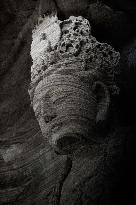
(220113) -- ANYUE, Jan. 13, 2022 (Xinhua) -- Photo taken on Dec. 22, 2021 shows the stone statues of the Northern Song Dynasty (960-1127) in Pilu Cave in Anyue County, southwest China's Sichuan Province. Anyue County in southwest China's Sichuan Province is famous for its stone carvings. Anyue stone carving dates back to as early as the Eastern Han Dynasty (25-220). Through the Tang (618-907) and Song Dynasty (960-1279), Anyue carving developed to its peak with the features of abundant, exquisite and magnificent. Now there are more than 100,000 stone statues preserved at about 230 sites in Anyue. Scattering in the mountains, Anyue carving was little known to the public for a long period of time. Nowadays, with the support of policies and funds, Anyue carving is revealed to the world. (Xinhua/Tang Wenhao)

  •  
Sony returns to black in 1st half of FY 2015

Sony returns to black in 1st half of FY 2015

Sony Corp. Chief Financial Officer Kenichiro Yoshida speaks about the company's group financial results for the first half of fiscal 2015 during a news conference in Tokyo on Oct. 29, 2015. Sony returned to the black for the period with a group net profit of 115.99 billion yen ($960 million). ==Kyodo

  • Main
  • Top
  • Editorial
  • Creative
  • About Us
  • About ILG
  • Terms of use
  • Company
  • BEHIND
  • Price List
  • Single Plan
  • Monthly Plan
  • Services
  • Shooting
  • Rights Clearance
  • Support
  • FAQ
  • How To Buy
  • Contact Us
  • Become a Partner

© KYODO NEWS IMAGES INC

All Rights Reserved.

  • Editorial
  • Olympics
  • News
  • Sports
  • Japan
  • Tech
  • Royal
  • Disaster
  • NorthKorea
  • Old Japan
  • SNS
  • Creative
  • Food
  • Japan
  • Landscape
  • Animal
  • Popular
  • #Ukraine
  • #Thailand
  • #coronavirus
  • #N. Korea
  • #Russia
  • #China
  • #Ukraine
  • #Thailand
  • #coronavirus
  • #N. Korea
  • #Russia
  • #China
  • Food
  • Japan
  • Landscape
  • Animal
  • Olympics
  • News
  • Sports
  • Japan
  • Tech
  • Royal
  • Disaster
  • NorthKorea
  • Old Japan
  • SNS